
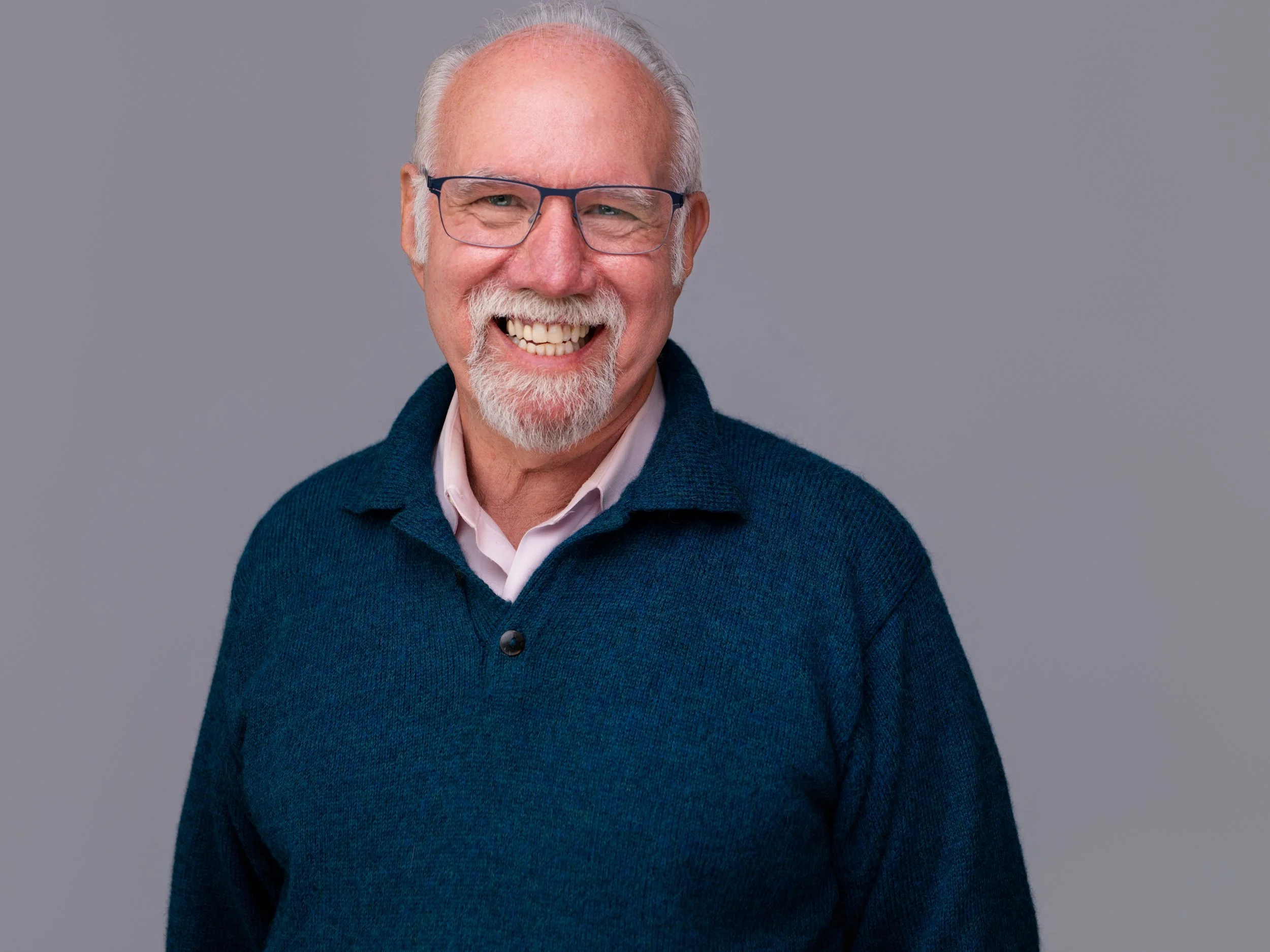
Meet Dr. Robert L. Bray
ABOUT
Helping People Heal Has Been My Life’s Work
For more than 45 years, I’ve worked with people facing trauma, anxiety, grief, addiction, PTSD, and other forms of emotional distress.
Throughout that time, I’ve continued asking the same basic question:
How can we help people experience meaningful relief and create lasting change?
That question has led me through traditional psychology, trauma treatment, experiential therapy, crisis intervention, energy medicine, and ultimately Thought Field Therapy, commonly known as TFT.
My work today brings those areas together. I continue to work directly with clients in private practice, while also teaching therapists, coaches, healthcare professionals, crisis responders, and other helping professionals how to use practical tools that address both the emotional and physical experience of distress.
I’ve never been interested in using a technique simply because it is popular. I’m interested in what helps people.
That has been the foundation of my work from the beginning, and it continues to guide me today.
BOB’S STORY
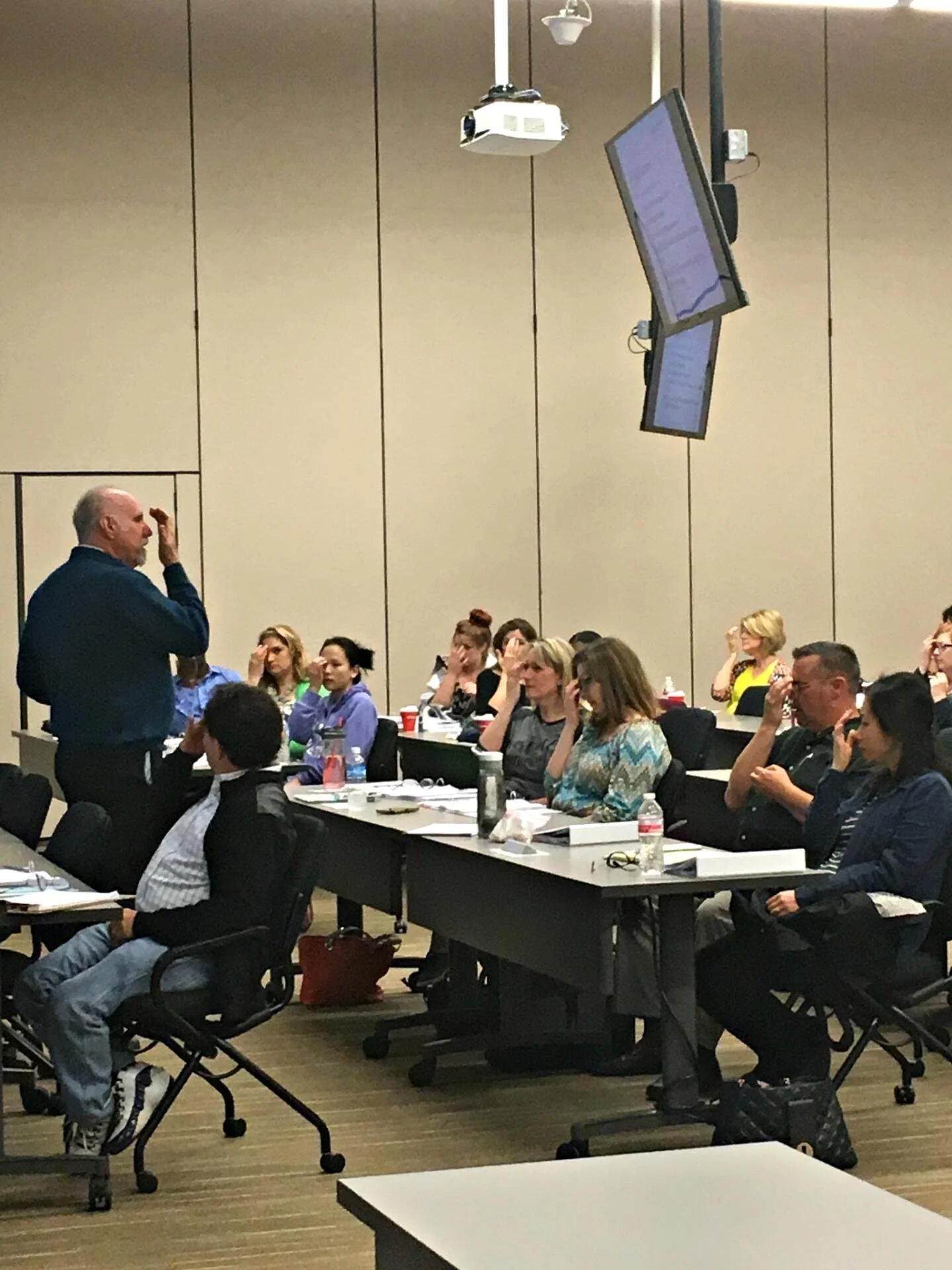
How I Became Interested in Thought Field Therapy
Earlier in my career, I was already working extensively with trauma, addiction, anxiety, and crisis response.
Traditional therapeutic approaches offered important insight and support, but I was also aware that understanding a problem did not always change the way a person’s body continued to respond to it.
A person could understand exactly why they felt anxious, fearful, ashamed, or overwhelmed and still experience the same intense emotional and physical reaction.
When I was introduced to Thought Field Therapy, I was curious, but I was also cautious. I wanted to understand what it was, why it might work, and whether it could hold up in real clinical situations.
What kept my attention was not the theory alone. It was what I began observing when I used it.
People who had been overwhelmed by emotional distress were sometimes able to experience relief more quickly than either of us expected. The memory or situation did not disappear, but the intensity around it could change. That gave us a different place from which to continue the therapeutic work.
I kept studying, testing, questioning, and applying TFT because I saw that it offered something valuable.
It gave people a practical way to work with emotional distress through both the mind and the body.
What Surprised Me Most
What surprised me most about TFT was how practical it could be.
The techniques did not require someone to explain every detail of a painful experience or spend an entire session reliving it. In many cases, we could identify the emotional distress, use a specific tapping sequence, and observe how the person’s response changed.
That did not mean every problem disappeared immediately or that TFT replaced the deeper work of therapy.
It meant we had another way to help calm the emotional and physiological response that was keeping the person stuck.
Over the years, I have used TFT in private practice, professional training, trauma recovery, addiction treatment, and crisis-response settings. I have also seen people use simple TFT tools to help themselves during moments of anxiety, fear, stress, or emotional overwhelm.
The more I worked with it, the more interested I became in helping others understand how to use it responsibly and effectively.
A Defining Direction in My Career
One of the defining shifts in my career came when I realized that teaching other professionals could extend the reach of this work far beyond my own private practice.
Working directly with clients has always mattered deeply to me, and it still does. At the same time, every therapist, coach, healthcare provider, or crisis responder who learns these tools can bring them to many more people.
That changed how I thought about my role.
I was no longer only helping the person sitting across from me. By training professionals, I could help strengthen the work happening in therapy offices, treatment programs, communities, and crisis settings around the world.
That is why professional education has remained such an important part of my work.

Why I Still Teach
After decades of teaching, people sometimes ask why I continue.
The answer is fairly simple: the work is still relevant, and I still enjoy it.
I enjoy seeing a professional understand a concept in a new way. I enjoy watching someone practice a technique, recognize what is happening, and become more confident in using it. I enjoy helping practitioners move beyond memorizing steps so they can develop stronger clinical judgment.
I also continue to learn through teaching.
Every group brings different questions, experiences, and perspectives. Those conversations keep the work active and grounded in the real challenges professionals are facing today.
My goal is not simply to teach people where to tap.
My goal is to help them understand what they are doing, why they are doing it, how to evaluate the response, and what to try when the first approach does not fully resolve the problem.
That is where training becomes true professional development.
MISSION & PHILOSOPHY
Practical Tools. Compassionate Care. Responsible Application.
I believe people have a significant capacity to heal when they are given appropriate tools, skilled support, and an environment in which they feel respected.
I also believe that no single method has every answer.
My approach draws from social work, psychology, experiential therapy, trauma treatment, energy medicine, and more than four decades of direct clinical experience.
Thought Field Therapy is central to my work, but it is not used in isolation. It is part of a broader way of understanding how emotional distress is experienced through thoughts, feelings, physical sensations, behaviors, and the body’s nervous and energy systems.
A few principles guide my work:
Start With the Person
A method should serve the individual. The individual should never be forced to fit the method.
Teach People Usable Skills
Whether I am working with a client or training a professional, I want people to leave with tools they understand and can use.
Pay Attention to Feedback
Therapy and training should not be based on guesswork. We observe what changes, what does not, and what the response tells us about the next step.
Practice Within an Ethical Scope
TFT can be used by people in many professional roles, but it must always be applied responsibly and within the practitioner’s education, license, experience, and scope of practice.
Work With the Mind and Body
Emotional distress is felt in the body and known cognitively, in the mind. Effective treatment often requires attention to the body’s response as well as the person’s thoughts and personal history.
Stay Curious
I have spent my career asking questions, evaluating results, and continuing to learn. I do not believe good clinical work comes from becoming rigid or assuming we already know everything.

MY WORK TODAY
My work currently includes three primary areas.
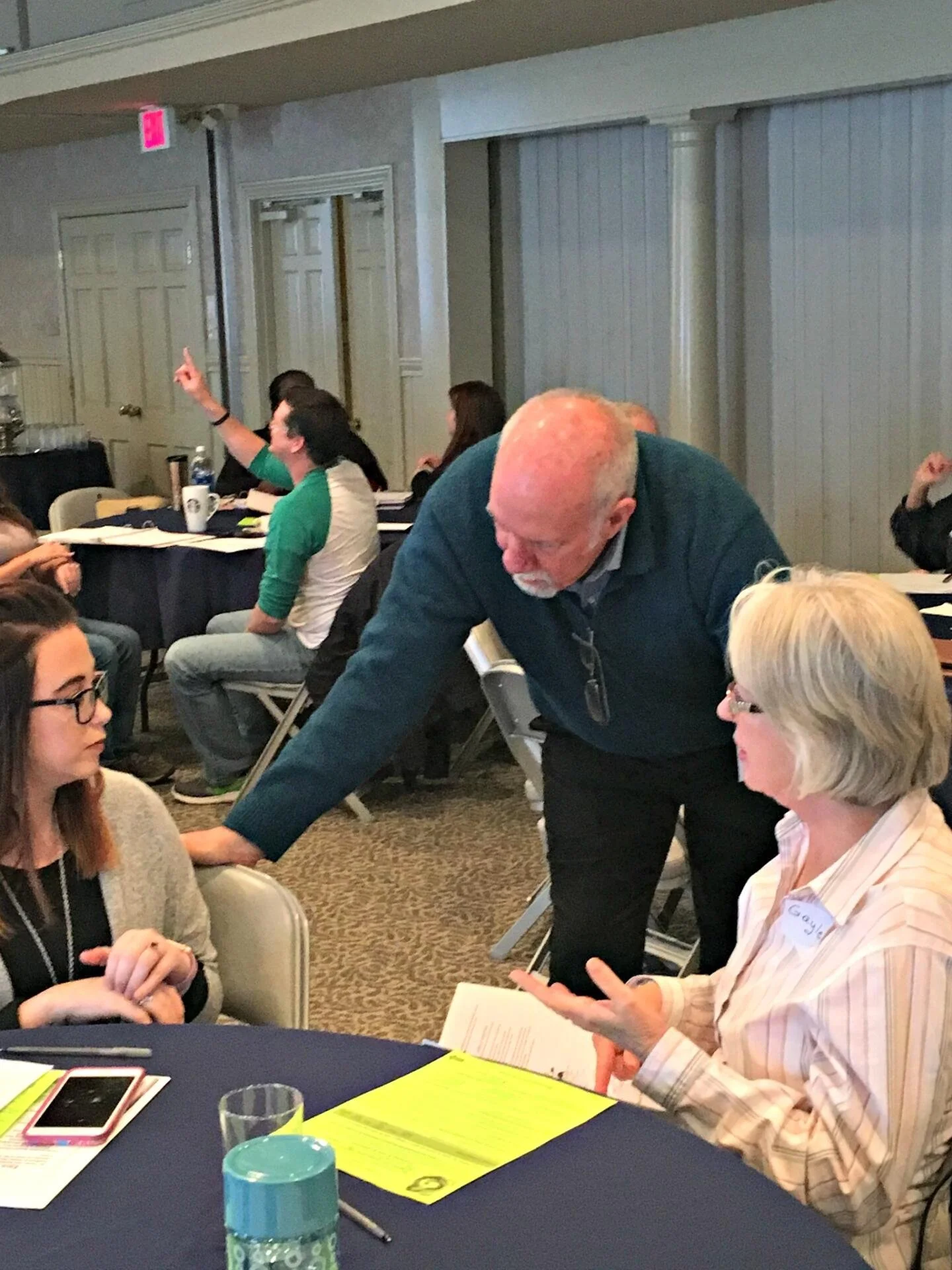
Private Practice
I work individually with people experiencing trauma, anxiety, PTSD, grief, addiction, stress, and other emotional challenges.
Private practice continues to be an important part of my work. It keeps me connected to the realities people face and ensures that what I teach remains grounded in direct clinical experience.
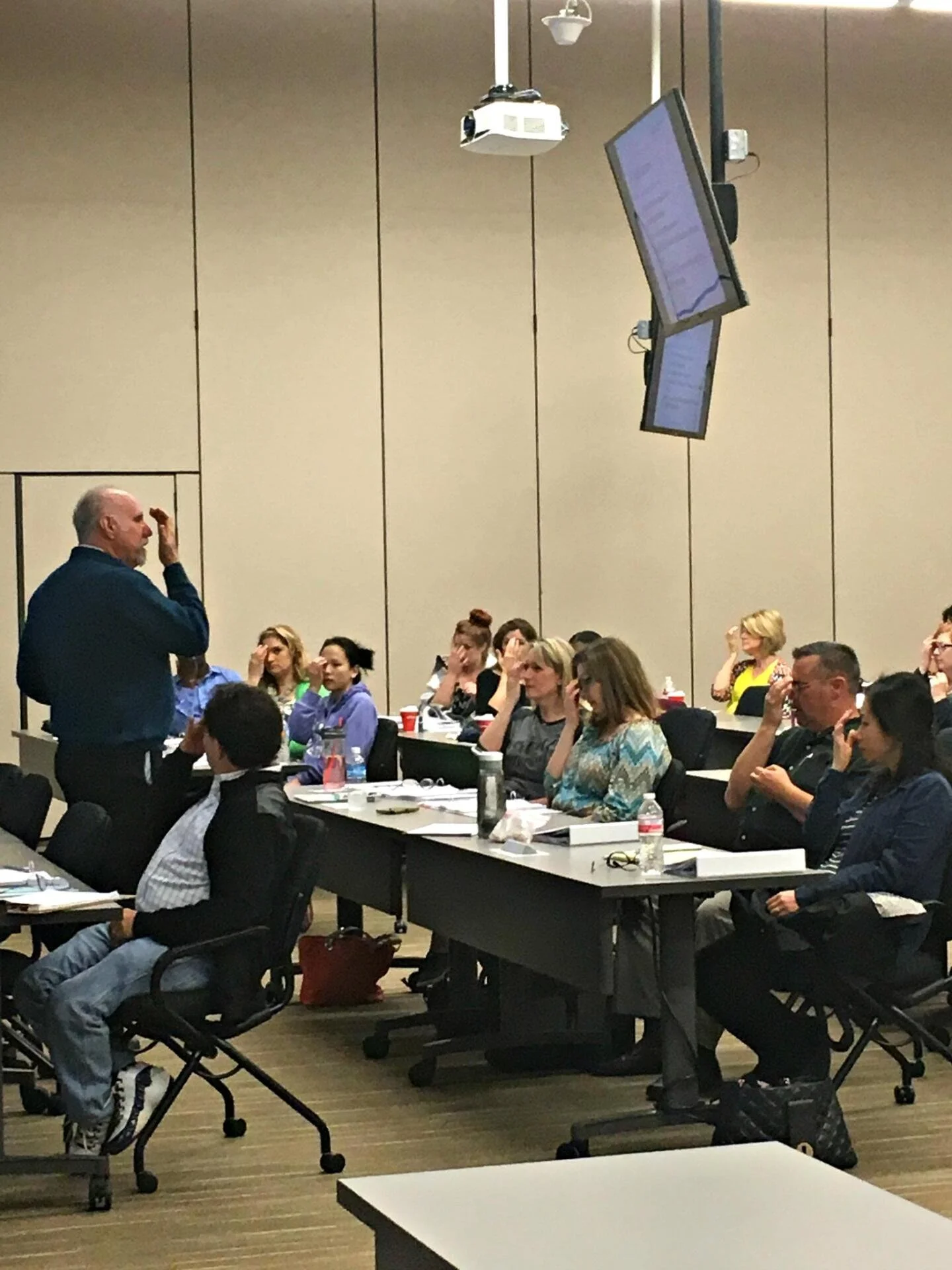
Training and Professional Education
I provide online training, live programs, certification pathways, consultation, and continuing education for therapists, coaches, healthcare professionals, crisis responders, and other helping professionals.
My trainings emphasize practical application, diagnostic thinking, ethical integration, and the ability to adapt the work to the needs of the person in front of you.
Speaking, Consulting, and Organizational Training
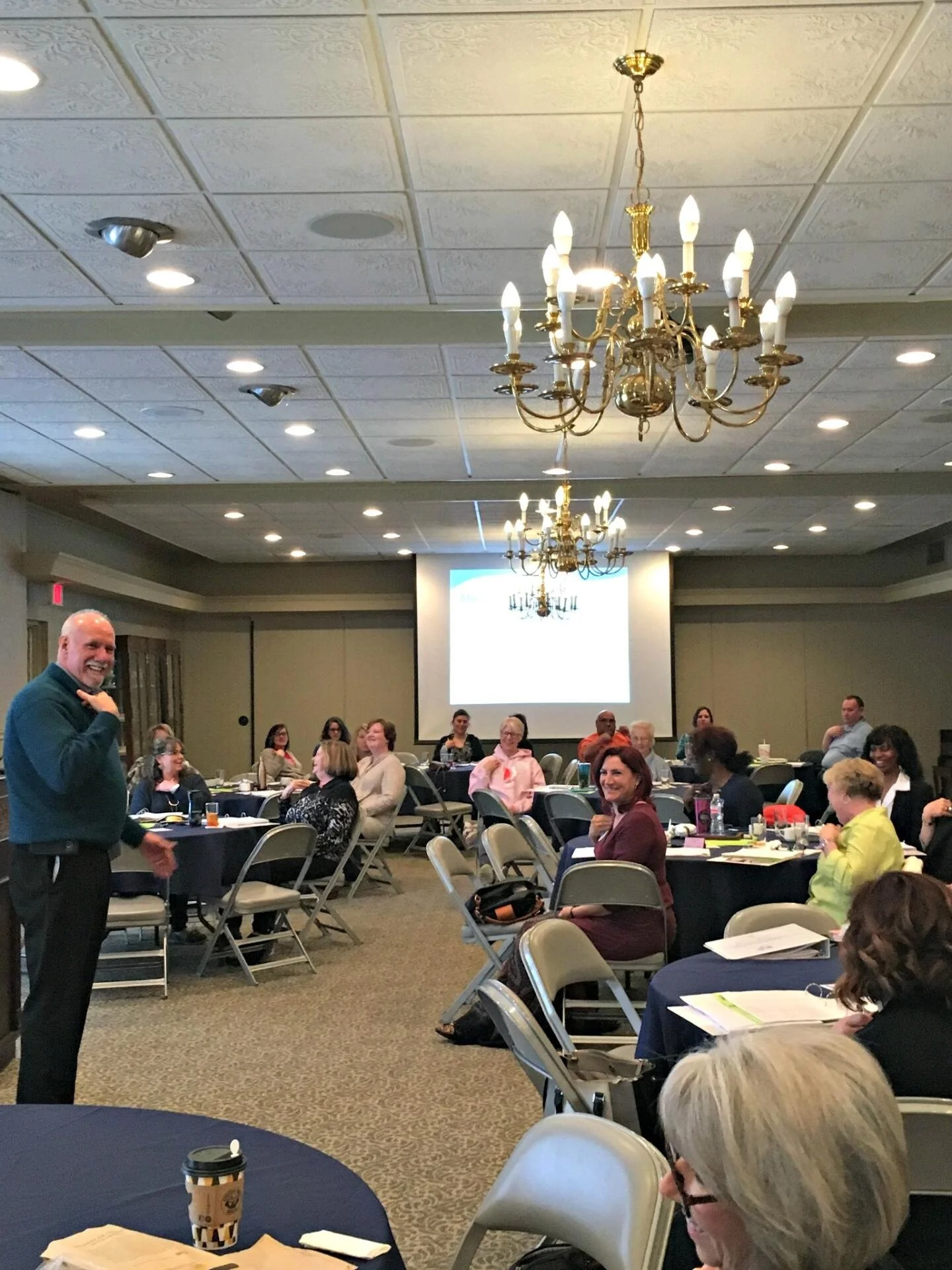
I work with professional organizations, treatment programs, conferences, healthcare groups, crisis-response teams, and other organizations seeking practical education in trauma, emotional regulation, resilience, energy medicine, and Thought Field Therapy.
Programs can be adapted to the experience, setting, and needs of each group.
CREDENTIALS & EXPERIENCE
Professional Highlights
✓ Licensed Clinical Social Worker with more than 45 years of clinical experience
✓ International trainer, educator, and speaker
✓ Longtime practitioner and teacher of Thought Field Therapy
✓ Specialist in trauma, anxiety, PTSD, addiction, grief, and crisis intervention
✓ Trainer of therapists, coaches, healthcare professionals, first responders, and other helping professionals
✓ Experienced in private practice, professional consultation, organizational training, and continuing education
✓ Author, interviewer, podcast guest, and contributor to professional conversations surrounding trauma treatment and energy medicine
A complete professional history, including education, licenses, clinical experience, training, publications, presentations, and organizational work, is available in my curriculum vitae.
MEDIA & PODCAST APPEARANCES
Sharing this work beyond the therapy room
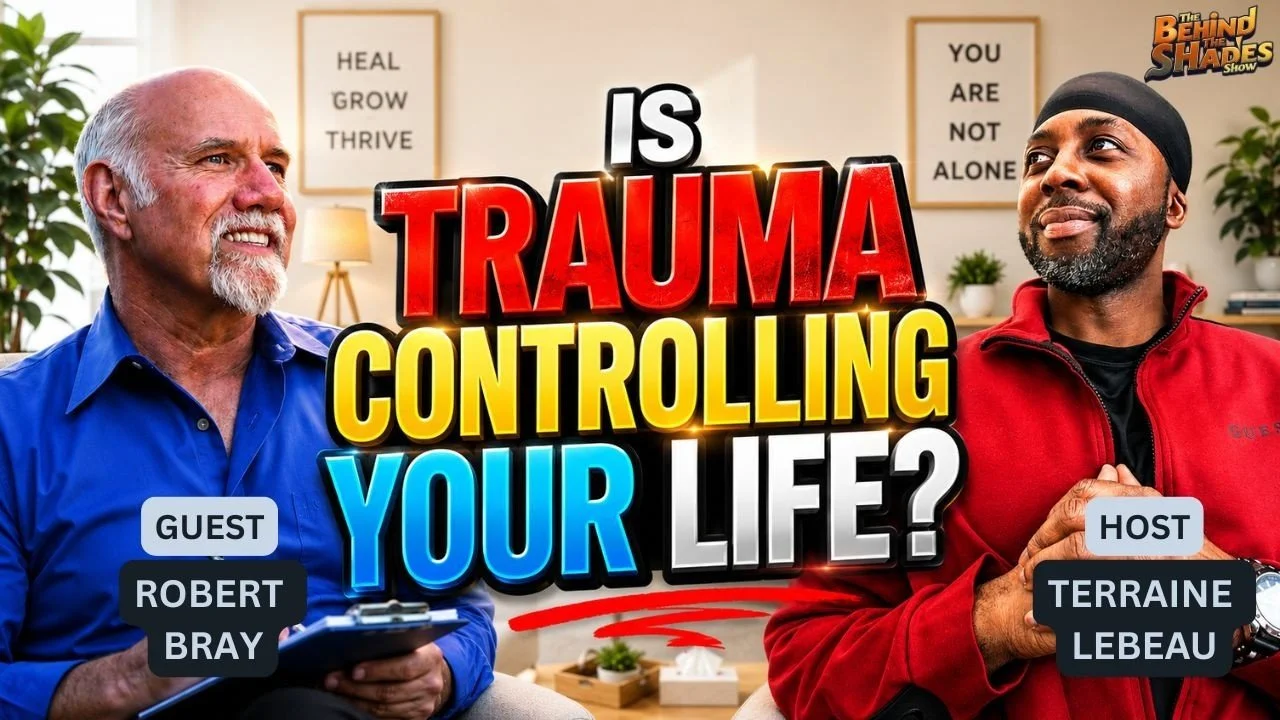
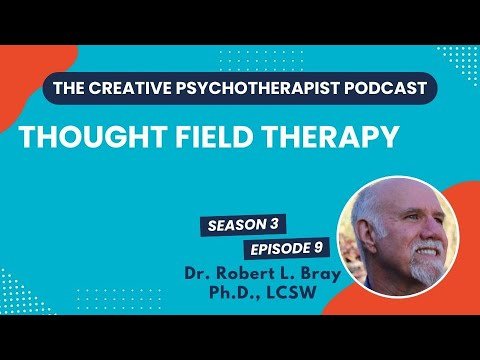
Over the years, I have had the opportunity to speak with podcast hosts, professional organizations, educators, and media outlets about trauma recovery, Thought Field Therapy, experiential energy therapy, emotional regulation, addiction, and practical tools for reducing distress.
These conversations allow me to explain the work in an accessible way and help more people understand that effective emotional support can include more than talking about a problem.

A CONTINUING COMMITMENT TO THE WORK
After more than five decades, I remain encouraged by what people can do when they have effective tools and the right support.
I have seen people move beyond emotional distress that has controlled their lives. I have watched professionals become more confident and effective in their work. I have seen simple techniques provide stability during moments of crisis and open the door to deeper healing.
Those experiences are why I continue working, teaching, and learning.
Whether you are looking for support for yourself, hoping to expand your professional skills, or interested in bringing this work to your organization, I welcome you to learn more.